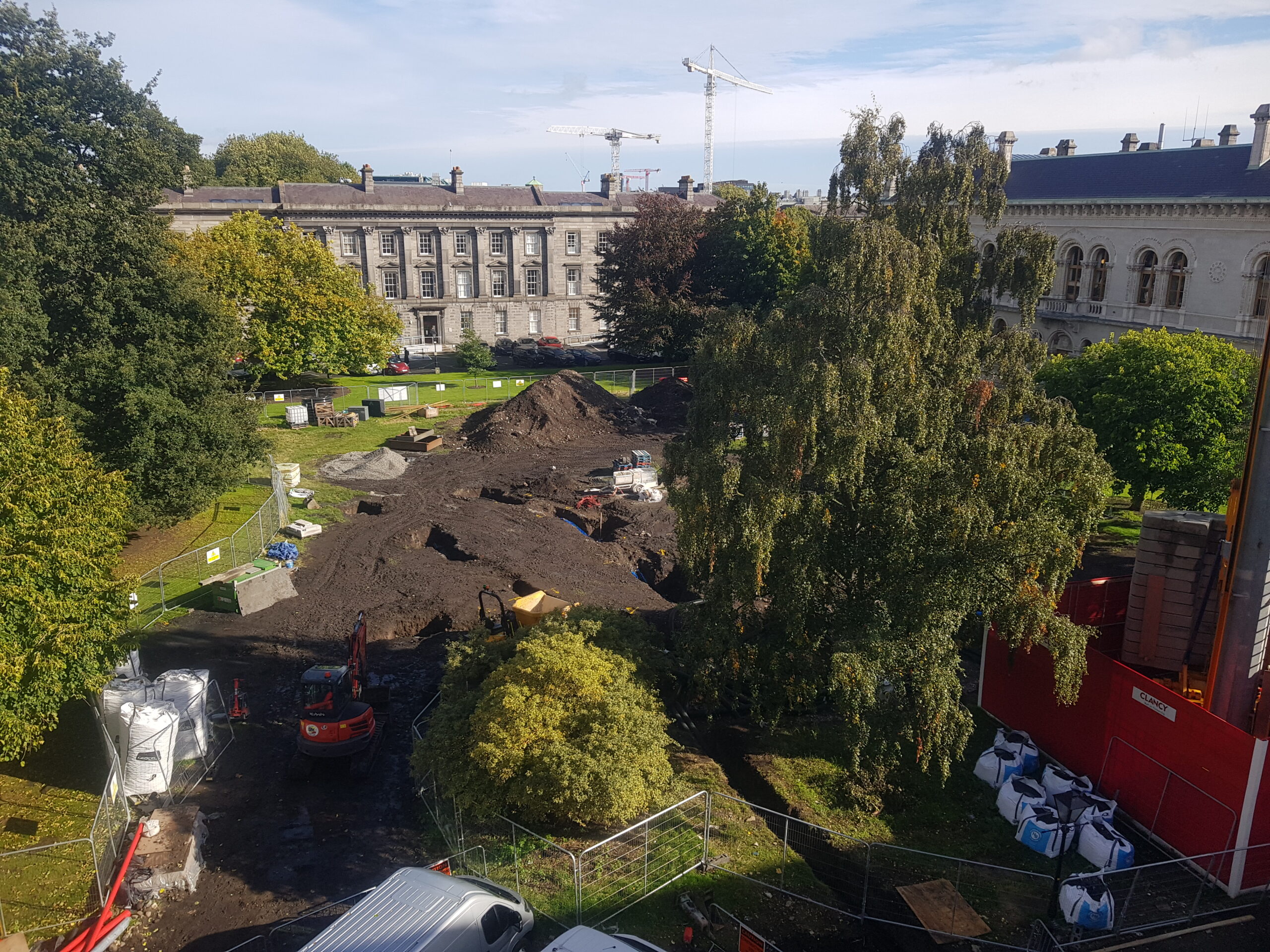
Ground energy infrastructure installed today can outlast several generations of the equipment above it. Boilers get replaced. Chillers get replaced. Heat pumps get replaced. What sits in the ground can keep serving a building 30, 50, even 100 years later. That timescale is worth holding onto, because it changes how a decision like this should be made.
No single technology has every answer
The energy transition will not be delivered by one technology. Every site is different. Every building has different demands. Every project carries different constraints and opportunities. The future belongs to a portfolio of low-carbon technologies working together, not one dominant solution.
If that’s true, a question follows naturally.
Why isn’t everything on the table?
If no single technology answers every case, why aren’t all credible low-carbon options routinely evaluated at the masterplanning stage? Perhaps project programmes leave little room for strategic energy planning. Perhaps design teams default to what they already know. Perhaps the process itself has evolved in a way that resists being challenged.
The reason matters less than the principle it points to. Every development deserves an objective, evidence-based assessment of its low-carbon options before the key design decisions are locked in.
The real question
Geothermal will not be right for every project. Nobody serious about the technology claims otherwise. But it deserves to be evaluated on the same terms as everything else, at the same stage as everything else, before assumptions harden into a design.
The question is no longer whether geothermal should be considered. It’s why it wouldn’t be, alongside every other low-carbon technology, before the architect draws the first line.