

Energy security starts underground
Every winter, the same concerns return. Will energy prices rise again? Will the grid cope with increased demand? Will heating […]

The growing impact of energy uncertainty
Energy markets have become increasingly volatile. Prices fluctuate rapidly, and supply constraints are becoming more common. For organisations with high energy demand, […]

If geothermal is infrastructure, who should pay for it?
One of the most interesting discussions at last Septembers’ Geothermal Heating & Cooling Days in Dublin had little to do with […]

Annual energy use doesn’t tell you what infrastructure needs
Annual energy consumption tells you how much energy a building uses. It does not tell you what energy infrastructure that […]

Decarbonisation without system design is a dead end
Decarbonisation targets are now standard across most large organisations. Net-zero commitments are widely adopted, and pressure to reduce carbon emissions continues to […]

How do we finance infrastructure that lasts for generations?
We’ve become used to financing heating systems. But Geoenergy isn’t just another heating system. It’s infrastructure. That distinction changes the financial conversation. Most projects are still […]

The hidden risk of well-reasoned energy decisions
For decades, energy decisions sat largely within facilities and engineering teams. The goal was simple. Keep buildings comfortable, operations running […]

Infrastructure that outlives the equipment around it
Ground energy infrastructure installed today can outlast several generations of the equipment above it. Boilers get replaced. Chillers get replaced. […]

How much space is really needed for geothermal borehole drilling
Borehole drilling is often seen as a barrier to geothermal energy. Concerns usually centre on space, access, and disruption. This is especially […]

When energy becomes infrastructure, not strategy
Energy is often framed as strategy. Something to optimise, revisit, or refine. In practice, energy behaves like infrastructure. It underpins […]

Why energy independence matters more than efficiency
Efficiency improves performance, but it does not remove dependency. Many systems still rely on external markets, pricing, and infrastructure that remain outside control.
Energy independence changes this. It reduces exposure to volatility, stabilises inputs, and limits external risk. For continuous operations, control over energy matters more than marginal efficiency gains.
Validation risk often starts with energy
In regulated environments, validation is treated as a technical exercise. Protocols. Documentation. Controls. What is often overlooked is the role […]
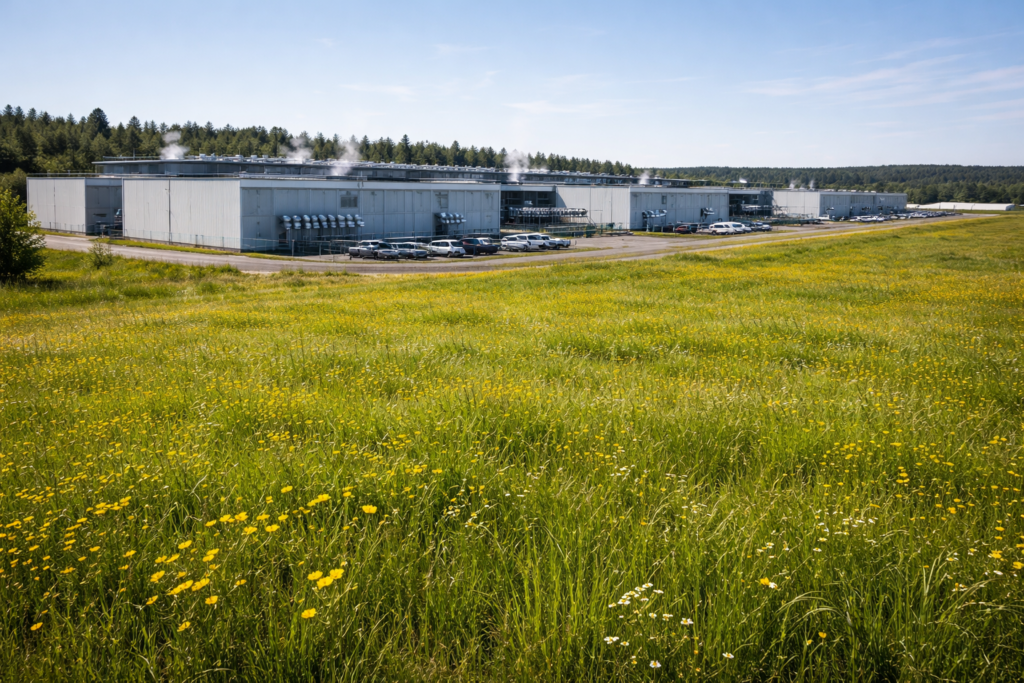
From waste to asset. How data centre heat can support cities
Data centres are under pressure. Energy demand continues to rise, grid capacity is tightening, and planning consent is increasingly difficult […]

Why geothermal heat will shape Ireland’s next building cycle
Ireland’s move away from fossil heating is accelerating. New developments are already subject to strict NetZero energy standards, and existing assets are […]

How winter truly tests our energy strategies
Winter has a way of revealing how resilient a sustainability solution really is. Demand rises. External conditions harden. Systems are […]
