Energy is often framed as strategy. Something to optimise, revisit, or refine.
In practice, energy behaves like infrastructure. It underpins continuity, safety, and financial predictability. When it works, it stays out of view. When it fails, the impact is immediate.
The cost of constant adjustment
Many energy approaches rely on ongoing intervention. Contracts are reviewed. Systems are tuned. Exposure is monitored. This assumes constant attention. It assumes teams have the capacity to respond as conditions shift. In complex operations, that assumption breaks down.
Over time, energy becomes a source of background strain. Not due to poor decisions, but because stability was never designed in. Too many variables remain active.
Thinking in infrastructure terms
Infrastructure-led decisions ask a different question. Not how efficient the system is today, but how predictably will it behave over decades. Predictability matters when operations cannot pause. It limits exposure to weather, markets, and policy shifts.
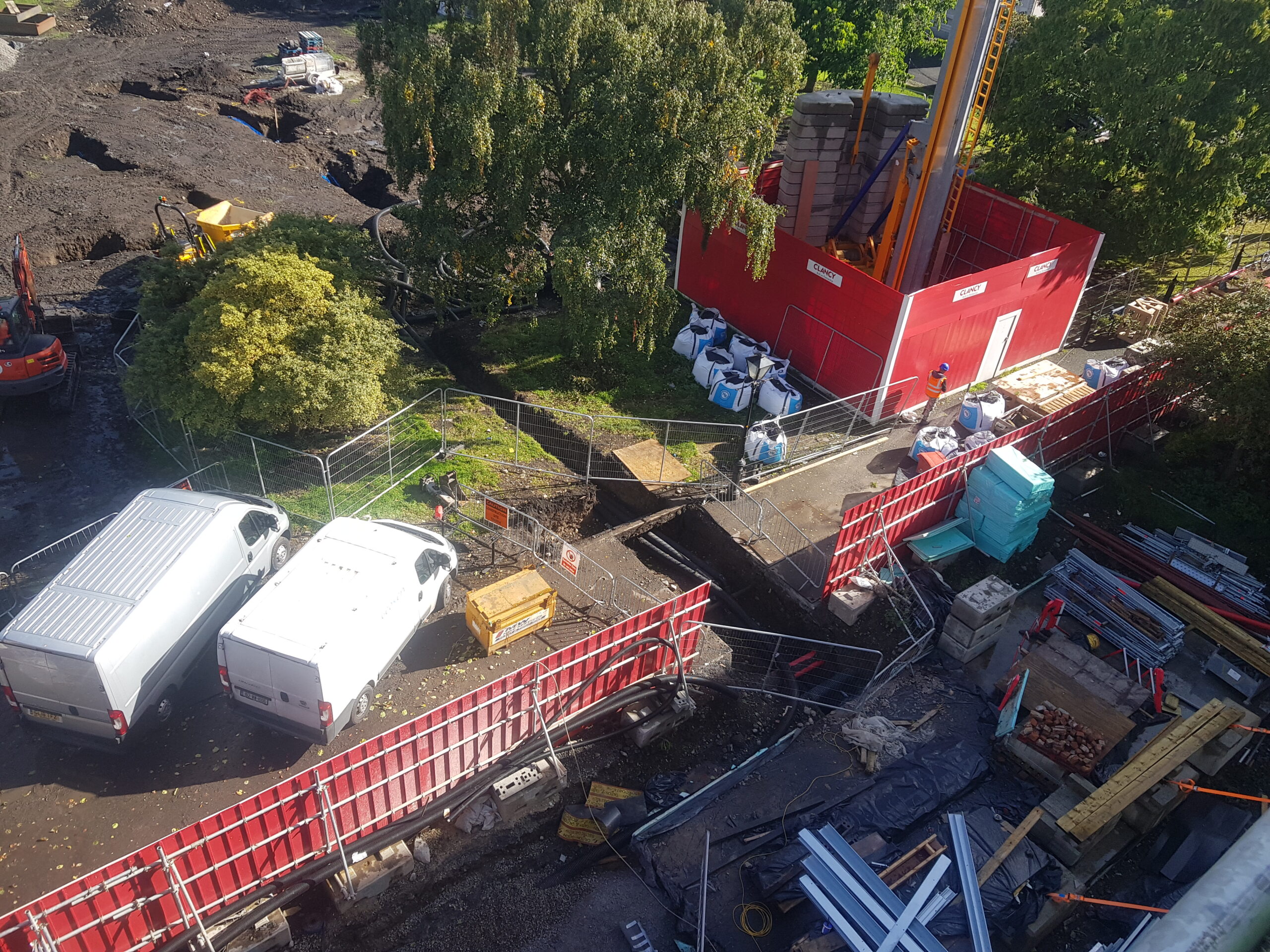
Geothermal operates on stable physical conditions. Subsurface temperatures do not fluctuate. Output remains consistent. Performance is not tied to daily weather or fuel markets.
The system does not rely on continuous optimisation to stay reliable. That reduces operational effort and long-term risk.
Stability as a baseline
Organisations that manage risk well, remove it early. They design systems that behave consistently without constant oversight. When energy is treated as infrastructure, stability is no longer a goal. It is the starting point.